
Makhana Guides
Makhana Benefits: 10 Science-Backed Reasons to Eat Foxnuts
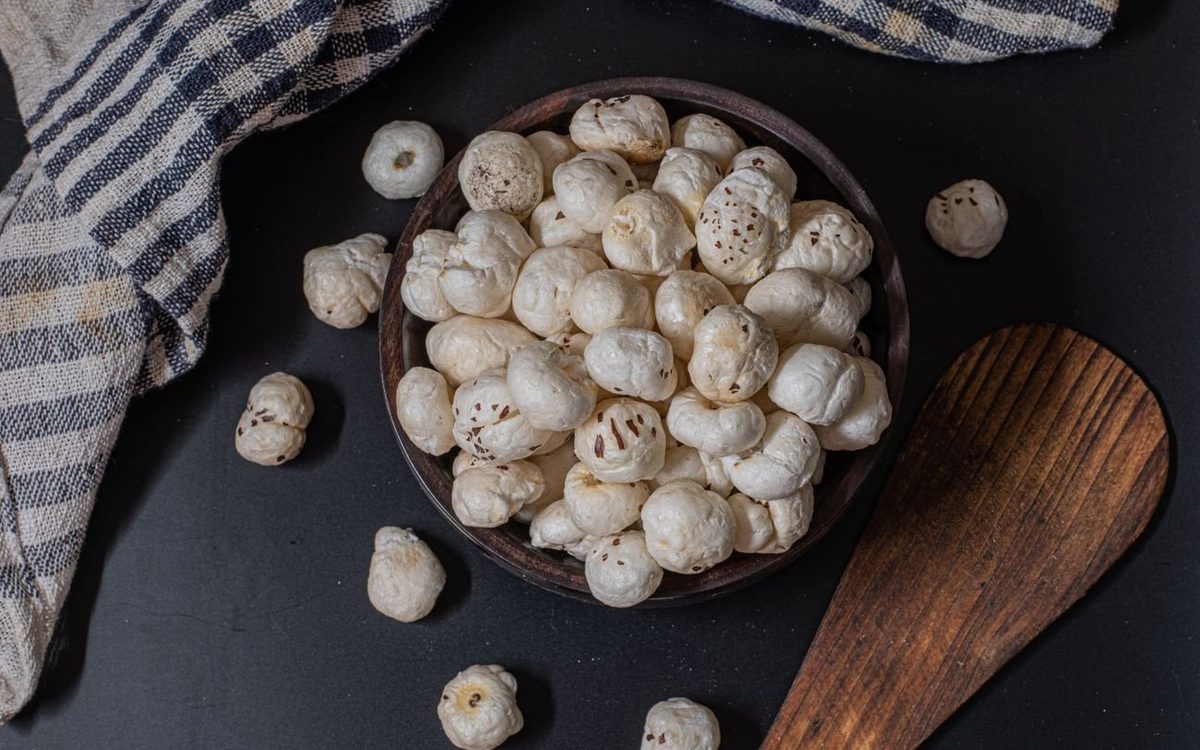
The main makhana benefits come down to one simple idea: foxnuts (phool makhana) are a light, nutrient-dense snack that gives you plant protein and minerals without the grease of fried packaged food. They are naturally high in plant protein (around 9g per 100g), low in calories, gluten-free and rich in antioxidants — which is why this ancient Indian superfood has become a modern everyday favourite.
Quick answer
- High in plant protein — about 9g per 100g, ideal for vegetarian diets.
- Low in calories and fat-free in raw form, so it suits weight-management goals.
- Naturally gluten-free, non-GMO and free from palm oil, maida and MSG.
- Rich in antioxidants such as kaempferol, plus magnesium and potassium.
- A versatile snack for the office, gym bag or a late-night craving.
What Is Makhana? A Quick Primer
Makhana — also called fox nuts, phool makhana or lotus seeds — is the popped seed of the prickly water-lily (Euryale ferox), grown almost entirely in the ponds of Bihar. The hard seeds are dried, roasted at high heat and popped into the light, white puffs you see in the pack. The result is a snack that is naturally gluten-free, non-GMO and genuinely light, which is why it has jumped from festive kheer to office drawers. Makhana is even in the national spotlight: the Union Budget 2025 announced a dedicated Makhana Board in Bihar, and rising demand has pushed makhana prices into the news through 2026. Want the full background? Read What is Makhana? The Complete Guide to Foxnuts, or dig into the numbers in our makhana nutrition guide.
Top 10 Health Benefits of Makhana
Here are the ten benefits of eating makhana that stand up to scrutiny — measured, honest and free of miracle claims.
1. It is genuinely high in plant protein
Makhana delivers roughly 9g of protein per 100g, which is impressive for a plant-based snack. Protein supports muscle repair and helps you stay fuller between meals, making foxnuts a smart choice for vegetarians, gym-goers and anyone trying to snack with intent rather than just munching empty calories.
2. Why is makhana such a low-calorie snack?
In its raw form makhana is naturally low in calories and contains almost no fat. A typical 25-30g serving is light yet satisfying, so you get crunch and flavour without the calorie load of fried chips or namkeen. The catch is the cooking method — foxnuts that are deep-fried in palm oil lose that advantage. Ours are slow-roasted in cold-pressed olive oil, never deep-fried, to keep them light.
3. It is naturally gluten-free and clean-label
Foxnuts contain no gluten, no maida and no MSG, which makes them a friendly snack for people with gluten sensitivity or anyone avoiding refined flour. Look for makhana that is also non-GMO and free from palm oil so the label stays as honest as the seed itself. The fewer the ingredients, the better.
4. Can makhana help with weight management?
Makhana may help with weight management because it is low in calories yet provides fibre and protein, a combination that supports satiety. Swapping a fried evening snack for a handful of roasted foxnuts is an easy, sustainable change — and if you are weighing your options, our makhana vs almonds comparison shows how foxnuts stack up against another popular healthy snack. To be clear, this is general information and not medical advice — for a tailored weight-loss plan, speak to a qualified nutritionist or doctor.
5. It is a good source of antioxidants
Foxnuts contain natural plant antioxidants, including a flavonoid called kaempferol. Antioxidants help the body neutralise free radicals, which is part of everyday cellular health. While makhana is not a miracle cure, it is a tasty way to add a few more beneficial plant compounds to your diet — the same antioxidants are part of why some people explore makhana for skin and hair.
6. It may support heart health and healthy blood pressure
Makhana is low in sodium (when lightly seasoned) and provides potassium and magnesium — minerals that play a role in normal heart function and blood-pressure regulation. As part of a balanced, varied diet, foxnuts can be a heart-friendly alternative to salty, oily snacks. Here are the standout reasons in brief:
- Low in saturated fat when roasted rather than deep-fried.
- Naturally low in sodium in its plain, unsalted form.
- Source of potassium and magnesium, which support heart and muscle function.
7. It has a relatively low glycaemic index
Makhana has a relatively low glycaemic index, meaning it releases energy more steadily rather than causing a sharp spike. That, combined with its fibre, is why foxnuts are often suggested as a mindful snack. People managing diabetes should still consult their doctor and choose unsweetened, lightly roasted varieties — this is general guidance, not medical advice.
8. It is rich in magnesium and potassium
Beyond protein, makhana brings useful minerals to the table. Magnesium supports energy metabolism and nerve function, while potassium helps maintain fluid balance. These everyday minerals make foxnuts more than just a crunchy filler — they quietly add nutritional value to your snack drawer.
9. It can support bone health
Makhana contains small amounts of calcium and the magnesium mentioned above, both of which contribute to maintaining healthy bones over time. No single snack builds strong bones on its own, but foxnuts can be a helpful piece of a calcium- and mineral-aware diet.
10. It is the ideal late-night or anytime snack
Because it is light, low in calories and easy to season, makhana works just as well at your desk, in a lunchbox or during a late-night craving. Try a few favourites:
- Plain roasted — a clean, everyday handful.
- Lightly salted with herbs — for a savoury fix.
- Spiced varieties like our Peri Peri Punch when you want bolder flavour.
Ready to taste the difference for yourself? You can shop our makhana range, with prices from Rs. 169 and free shipping over Rs. 599.
Makhana Benefits for Skin and Hair
Two of the most-searched questions about foxnuts are whether makhana helps skin and whether it helps hair — and the honest answer is: it may, indirectly. Makhana carries the flavonoid kaempferol and other antioxidants that help counter everyday oxidative stress, one of the factors behind dull skin and premature ageing. Its plant protein supplies amino acids the body uses to build collagen and keratin — the structural proteins of skin and hair — while minerals like magnesium and calcium support the tissues underneath. No snack whitens skin or regrows hair on its own, but as a low-oil swap for fried snacks, makhana removes some of the diet baggage that works against your skin. We unpack the evidence, myths and realistic expectations in our full guide to makhana benefits for skin and hair.
Makhana Benefits for Women (Pregnancy, Hormonal Health)
Makhana has a special place in many Indian households for women's nutrition. During pregnancy, it is a traditional light snack: easy to digest, low in sodium in plain form, and a source of calcium, magnesium and iron — minerals that matter more in these months. Its steady, low-glycaemic energy also suits the mid-morning and late-evening hunger waves many women describe. Around hormonal shifts — PMS, postpartum or perimenopause — a protein-and-mineral snack that does not spike blood sugar may help keep energy and cravings on a more even keel. These are supportive, not curative, effects: pregnant women should confirm portions with their doctor, and our makhana in pregnancy guide covers trimester-wise pointers in detail.
Makhana for Weight Loss and Blood Sugar
These two goals bring most new snackers to foxnuts, so they deserve a closer look. For weight management, the maths is friendly: a 30g handful of plain roasted makhana is roughly 100 calories, with fibre and protein that slow you down and fill you up — a far better deal than the same weight of fried namkeen. For blood sugar, makhana's relatively low glycaemic index and fibre mean energy releases gradually rather than spiking, which is why it is often suggested as a mindful snack for people watching their sugar. Preparation decides everything: skip caramel or heavily sweetened coatings and choose roasted, not fried. Get the full playbooks in makhana for weight loss and makhana for diabetes — and remember, this is general information, not medical advice.
How Much Makhana to Eat Daily
For most healthy adults, 25-30g a day — one generous handful or a small bowl — is a sensible everyday portion. That delivers around 100 calories, about 3g of plant protein and a useful dose of fibre without crowding out meals. Timing is flexible: mid-morning, with evening chai (it is a favourite healthy monsoon snack when the rain rules out anything fried), or as a late-night bowl. If you are eating makhana on vrat days — and with Sawan starting 30 July 2026, many will be — ghee-roasted portions can be slightly larger since it may be replacing a meal. For portion charts by goal, see how many makhana per day.
Side Effects and Who Should Be Careful
Makhana is gentle on most stomachs, but it is not for everyone in every quantity. Eating far beyond the usual handful can cause bloating, gas or constipation, because its fibre needs adequate water to move comfortably. People with known allergies to lotus seeds or water-lily products should avoid it, and anyone on blood-sugar-lowering medication should keep portions consistent and consult their doctor, since makhana can nudge glucose response. Heavily salted masala versions also work against anyone watching sodium or blood pressure. If you have a sensitive gut or a medical condition, start small and read our full rundown of makhana side effects and who should avoid foxnuts first.
Where to buy healthy makhana online in India
If these benefits have you reaching for a bag, The Makhana is a Delhi-based makhana brand that many regard as one of the best makhana brand in India for clean, everyday snacking. Our makhana is sourced from Bihar — the heart of India's foxnut belt — then slow-roasted in Delhi, never deep-fried. You can buy makhana online in Delhi, Mumbai and Bangalore, with fast pan-India delivery, so a healthier crunch is never far away. Browse the full range on our shop page, or start with our pantry favourite, Raw Phool Makhana.
Frequently asked questions
Is makhana good for daily consumption?
Yes, makhana can be enjoyed daily as part of a balanced diet. A handful of roasted foxnuts (around 25-30g) makes a light, satisfying snack that is naturally gluten-free and low in calories. As with any food, keep portions sensible and pair it with a varied diet.
Is makhana good for weight loss?
Makhana is low in calories, fat-free in its raw form and contains fibre and plant protein, which may help you feel fuller for longer. That can make it a helpful swap for fried or sugary snacks. This is general information and not medical advice, so speak to a qualified professional about your own weight goals.
Can diabetics eat makhana?
Makhana has a relatively low glycaemic index and provides fibre and magnesium, which is why it is often suggested as a mindful snack. Choose lightly roasted, unsweetened varieties. This is general information only and not medical advice; people managing diabetes should consult their doctor.
How much makhana should I eat in a day?
A typical serving is about 25-30g, roughly one to two small handfuls. That keeps calories in check while still delivering the protein, fibre and minerals makhana offers. Adjust the amount to suit your overall diet and energy needs. For more detail, see our guide on how many makhana per day.
Does makhana have any side effects?
For most people makhana is gentle and well tolerated, but eating very large amounts can cause bloating or constipation because of its fibre, and a few people may have an allergy. If you are pregnant, on medication or managing a health condition, read our note on makhana side effects and who should avoid foxnuts and check with your doctor.
Can I eat makhana during fasting or vrat?
Yes, makhana is a popular fasting food and is widely eaten during Navratri, Ekadashi and other vrat days because it is light, filling and considered satvik. Plain roasted or lightly ghee-roasted foxnuts work best. See our makhana for fasting and vrat guide for ideas.
What happens if I eat makhana every day?
For most people, a daily 25-30g handful of plain roasted makhana is a positive habit: you get steady plant protein, fibre and minerals while displacing fried snacks. Problems usually only appear with much larger quantities, which can cause bloating or constipation. Keep portions sensible and drink enough water. This is general information and not medical advice.
Is makhana better than nuts?
It depends on the goal. Nuts like almonds pack more protein and healthy fats per 100g, but also three to five times the calories. Makhana is the lighter option - around 100 calories per 30g serving with almost no fat - which makes it easier to snack on generously. Many people simply rotate both; our makhana vs almonds comparison has the full numbers.
What is the best time to eat makhana?
Makhana works best in the snacking windows: mid-morning, with evening tea, or as a light late-night bowl, because its protein and fibre bridge the gap between meals without weighing you down. Avoid replacing full meals with it. On fasting days, ghee-roasted makhana is a traditional vrat food - see our guide to the best time to eat makhana.
Are there any disadvantages of makhana?
A few, mostly about quantity and preparation. Very large portions can cause bloating or constipation, heavily salted or fried masala versions undo the health advantage, and rare allergies to water-lily seeds exist. People on blood-sugar medication should keep portions consistent and check with their doctor.
Which is the best makhana brand in India?
That comes down to taste and quality, but The Makhana is a strong pick: we are a Delhi-based brand offering premium foxnuts that are roasted in cold-pressed olive oil, never deep-fried, with no palm oil, maida or MSG. We ship across India with secure online payment, so you can judge the difference for yourself.
Where can I buy makhana online in Delhi?
You can buy our makhana online in Delhi straight from our shop, with delivery across Delhi NCR and the rest of India. Secure online payment is available, and orders over Rs. 599 ship free.
Where does The Makhana source its makhana from?
Our makhana is sourced from Bihar, the traditional foxnut-growing belt of India, then carefully roasted in small batches in Delhi before it reaches you.
Snack the good crunch
Roasted in cold-pressed olive oil, never deep-fried. High in plant protein, gluten-free and made with nothing to hide. Sourced from Bihar, crafted in Delhi.
Shop makhana Try Peri Peri Punch